
Our Services
Welcome to Monal Hospital, where we provide compassionate care, cutting-edge technology, and a wide range of healthcare services to ensure the well-being of our patients. Our dedicated team of highly skilled doctors, nurses, and staff are here to support you every step of the way.
Our Specialty
Laparoscopic Surgery
Laser Proctology
Phaco Surgery For Cataract
Our Treatments
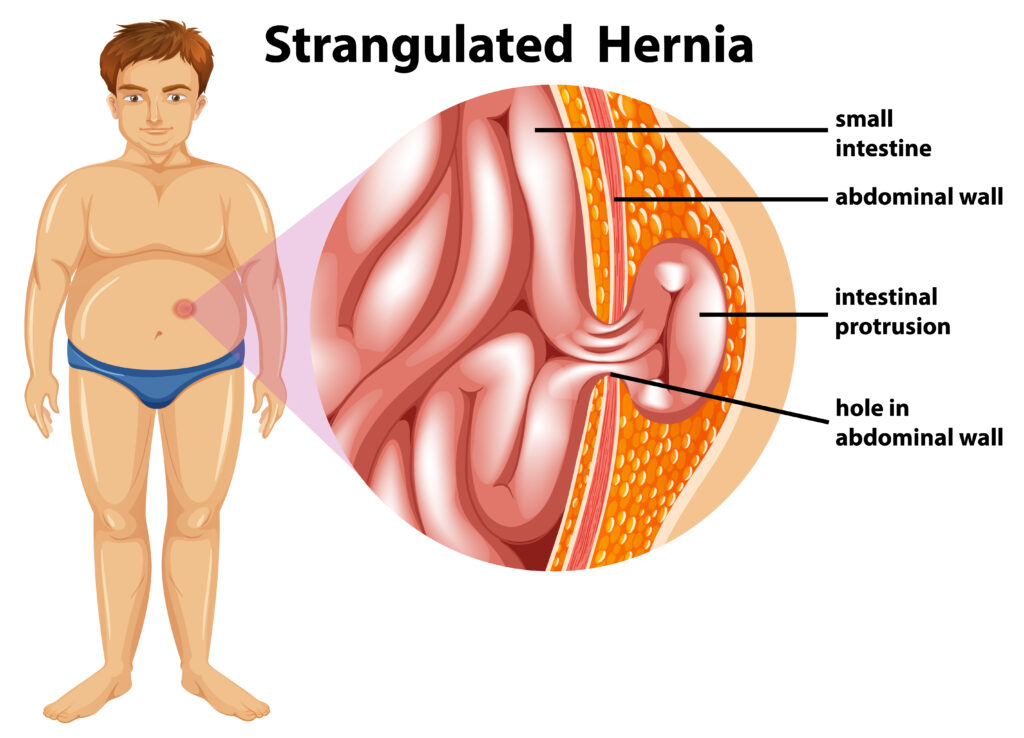
A hernia occurs when an internal organ or tissue pushes through a weak spot in the surrounding muscle or connective tissue. While hernias can develop in various parts of the body, they are most commonly found in the abdomen, groin, and upper thigh areas.
Hernias can develop due to a variety of reasons, including:
- Excessive Strain: Heavy lifting, chronic coughing, or straining during bowel movements.
- Weak Abdominal Wall: A congenital defect or weakening of the abdominal muscles over time.
- Obesity: Increased pressure on the abdominal wall due to excess weight.
- Pregnancy: Added stress on the abdominal muscles during pregnancy.
- Previous Surgery: Surgical incisions can create weak spots in the abdominal wall.
Types of Hernias We Treat
✅ 1. Inguinal Hernia
The most common type, inguinal hernia, occurs in the groin area when the intestine or bladder pushes through the abdominal wall. It is more common in men.
✅ 2. Umbilical Hernia
An umbilical hernia occurs when part of the intestine bulges through the abdominal wall near the belly button. It is common in infants but can also occur in adults.
✅ 3. Femoral Hernia
Femoral hernias appear just below the groin and are more common in women. They can cause serious complications if untreated.
✅ 4. Incisional Hernia
This occurs through a scar from a previous abdominal surgery. The tissue pushes through the weakened muscle or incision site.
✅ 5. Hiatal Hernia
A hiatal hernia happens when part of the stomach pushes up into the chest through the diaphragm, often causing acid reflux.
Recognizing the signs of a hernia is crucial for timely treatment. Common symptoms include:
- Visible Bulge: A noticeable lump or bulge, especially when standing, coughing, or straining.
- Pain or Discomfort: A sharp or dull ache, particularly in the affected area.
- Burning or Tingling Sensation: Uncomfortable sensations near the site of the hernia.
- Nausea or Vomiting: Especially in cases where the hernia is obstructed.
- Difficulty in Performing Daily Activities: Due to discomfort or restricted movement.
If you experience any of these symptoms, consult with our experts promptly to prevent further complications.
Laparoscopic Treatment for Hernia
Laparoscopic surgery is a minimally invasive and highly effective method for treating hernias. Our expert surgeons in Vadodara use advanced technology and precise techniques to ensure a safe and efficient recovery.
Benefits of Laparoscopic Hernia Surgery:
- Minimally Invasive: Smaller incisions reduce scarring and post-surgery pain.
- Quick Recovery: Most patients resume their daily activities within a few days.
- Reduced Risk of Complications: Laparoscopic procedures minimize the chances of infection.
- Improved Cosmetic Results: Tiny incisions result in minimal scarring.
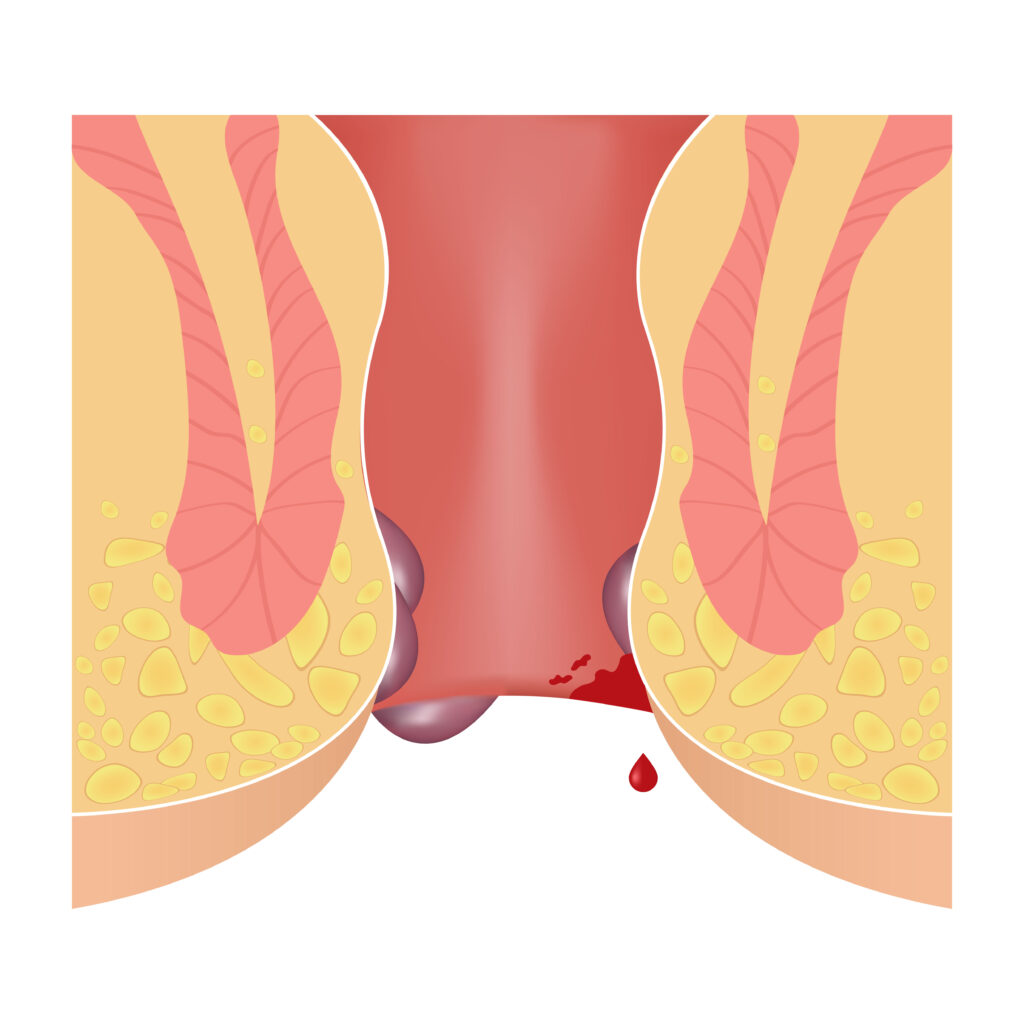
Piles are swollen veins in the rectum and anus that can cause pain, itching, and bleeding. They are classified into two types:
- Internal Piles: Located inside the rectum, they may not be visible but can cause bleeding.
- External Piles: Found around the anus, they can be painful and may form lumps.
Piles can develop due to several factors, including:
- Chronic Constipation or Diarrhea: Straining during bowel movements can pressure rectal veins.
- Sedentary Lifestyle: Prolonged sitting can worsen vein swelling.
- Pregnancy: Increased abdominal pressure can lead to hemorrhoids in expectant mothers.
- Obesity: Excess body weight adds pressure to the rectal area.
- Low-Fiber Diet: Insufficient dietary fiber causes hard stools and straining.
- Genetics: A family history of piles may increase the risk.
Recognizing the symptoms of piles is essential for early diagnosis and treatment:
- Pain or discomfort during bowel movements
- Bleeding during or after passing stools (bright red blood)
- Swelling or lumps near the anus
- Itching or irritation in the anal area
- A feeling of incomplete evacuation after a bowel movement.
When Should You Consult a Doctor?
If you’re experiencing persistent symptoms like pain, bleeding, or swelling, it’s crucial to seek medical advice. Early intervention can prevent complications and provide relief faster.
Laser Treatment for Piles
Laser treatment for piles, also known as laser hemorrhoidoplasty, is a minimally invasive procedure that uses laser energy to shrink and treat inflamed hemorrhoidal tissues. It is a safe and effective alternative to traditional surgery, offering faster recovery and significantly less pain.
Why Choose Laser Treatment for Piles?
Laser piles surgery has become increasingly popular due to its many benefits:
Minimally invasive with no cuts or stitches
Almost painless procedure with local anesthesia
Quick recovery time – resume daily activities in 24–48 hours
No hospital admission required in most cases
Low risk of infection and recurrence
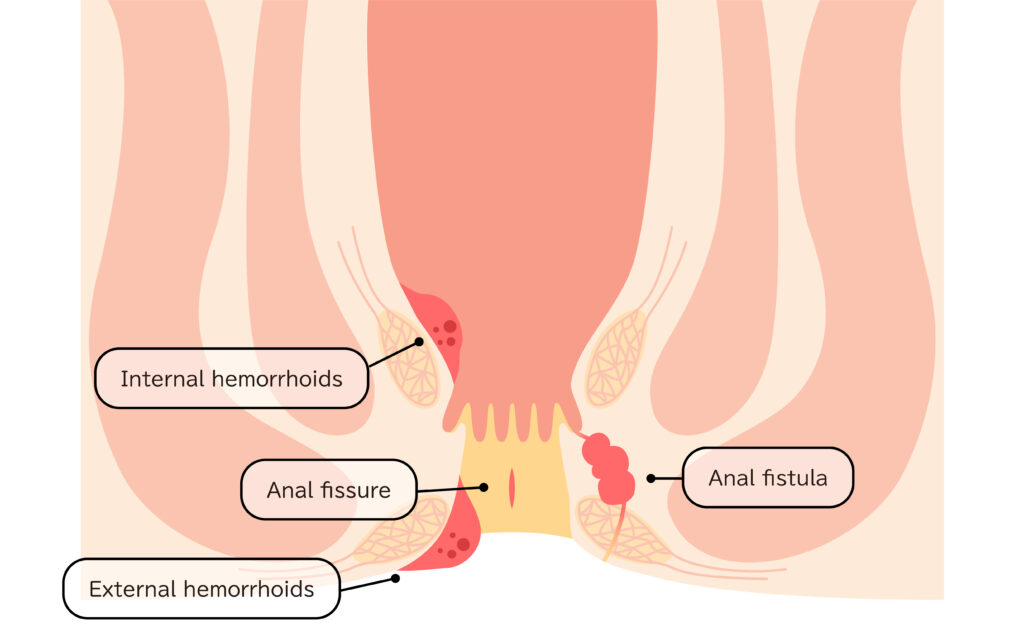
An anal fissure is a small tear or crack in the skin around the anus that can cause significant pain, especially during or after bowel movements. While fissures can heal on their own, they often require medical treatment to prevent recurring pain and discomfort.
Anal fissures can develop for several reasons, including:
- Chronic Constipation or Diarrhea: Straining or passing hard stools can cause tears in the anal lining.
- Childbirth: The intense pressure during delivery can cause fissures in women.
- Low-Fiber Diet: A lack of fiber can lead to hard stools and increased straining.
- Anal Intercourse: Can sometimes lead to injury and fissures.
- Inflammatory Conditions: Diseases like Crohn’s disease or ulcerative colitis can contribute to fissures.
- Age: Older adults are more likely to experience fissures due to the thinning of skin in the anal area.
Recognizing the signs of an anal fissure is essential for seeking prompt treatment. Symptoms include:
- Intense pain during or after bowel movements
- Bleeding, often seen as bright red blood on toilet paper
- Visible cracks or tears around the anus
- Itching or irritation in the anal region
- A lump or skin tag near the fissure
- Chronic pain, particularly if the fissure doesn’t heal
Laser fissure treatment is a modern, minimally invasive procedure that uses focused laser energy to heal the fissure and reduce associated symptoms like pain and inflammation. It promotes faster healing with minimal trauma to surrounding tissues, offering a safer alternative to conventional surgery (lateral internal sphincterotomy).
Benefits of Laser Treatment for Fissure
✅ Painless & bloodless procedure
✅ No cuts or stitches
✅ Same-day discharge
✅ Faster healing with minimal downtime
✅ Lower risk of complications or recurrence
✅ Highly precise, preserving anal sphincter function
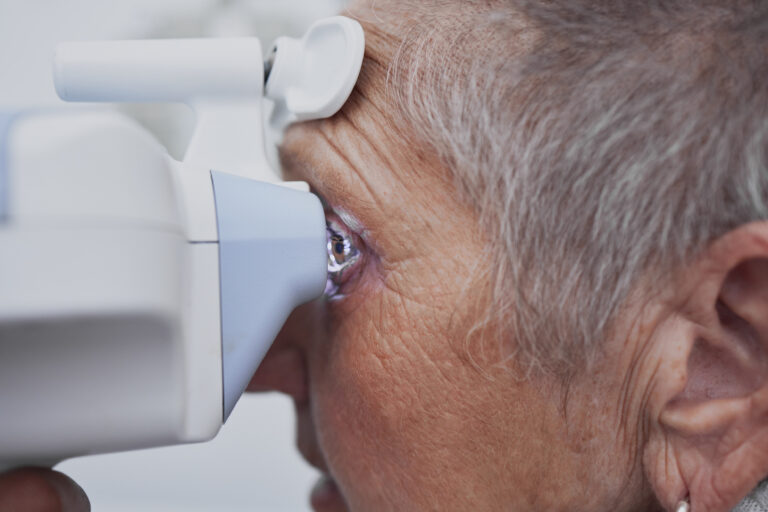
Cataracts occur when the natural lens of the eye becomes cloudy, leading to impaired vision. This condition develops gradually and is often associated with aging. However, other factors such as injury, prolonged exposure to UV rays, or underlying health conditions can also contribute to the development of cataracts.
Cataracts are primarily caused by:
Aging: The natural aging process can lead to the breakdown of proteins in the lens, causing it to become cloudy.
Genetics: A family history of cataracts can increase your risk.
Injury: Trauma to the eye can lead to the formation of cataracts.
Prolonged UV Exposure: Exposure to ultraviolet rays without proper eye protection can accelerate cataract development.
Health Conditions: Diseases such as diabetes, hypertension, and obesity are known risk factors.
Medications: Prolonged use of steroids and certain other medications can also contribute.
Lifestyle Choices: Smoking and excessive alcohol consumption can increase the risk of cataracts.
The symptoms of cataracts vary depending on the stage of development. Common signs include:
Blurry or cloudy vision
Difficulty seeing at night
Sensitivity to light and glare
Fading or yellowing of colors
Double vision in one eye
Frequent changes in eyeglass or contact lens prescriptions
If you are experiencing any of these symptoms, it is crucial to consult an ophthalmologist for an accurate diagnosis and treatment plan.
Advanced Cataract Surgery at Monal Hospital
At Monal Hospital, we offer two advanced types of cataract surgery:
SICS (Small Incision Cataract Surgery)
PHACO (Phacoemulsification)
Both procedures are highly effective and performed by experienced ophthalmologists using world-class equipment.
✅ 1. SICS (Small Incision Cataract Surgery)
SICS is a modern manual cataract removal technique where the cloudy lens is removed through a small self-sealing incision. It is ideal for mature cataracts and is highly effective in restoring vision.
Benefits of SICS:
Suitable for advanced or hard cataracts
No stitches required – self-sealing incision
Cost-effective and safe
Quick recovery and reduced risk of infection
Ideal for patients with limited access to premium equipment.
✅ 2. PHACO (Phacoemulsification Cataract Surgery)
PHACO is a minimally invasive procedure that uses ultrasonic vibrations to break up the cloudy lens, which is then gently suctioned out and replaced with an artificial intraocular lens (IOL). This is the most commonly used technique in modern eye surgery.
Benefits of PHACO:
Minimally invasive with a micro-incision
Faster healing and almost no discomfort
No stitches and no need for hospitalization
Excellent visual outcomes
Suitable for early-stage cataracts and lifestyle-conscious patients
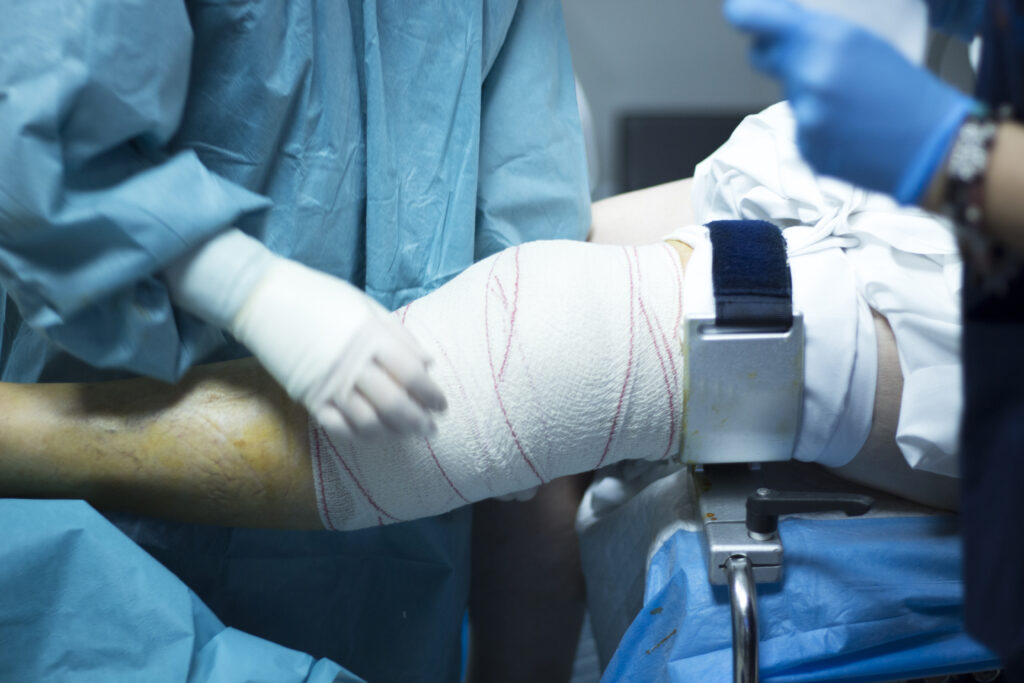
Accidental Injuries Surgery at Monal Hospital
When accidents happen, immediate and expert medical care can make all the difference. At Monal Hospital, our specialized Accidental Injuries Surgery Unit is dedicated to providing rapid, life-saving surgical interventions for patients suffering from trauma and injuries. Our experienced team of trauma surgeons and healthcare professionals work 24/7 to ensure the highest level of care during critical moments.
Our Accidental Injuries Surgery department is equipped to handle a wide range of trauma and injury cases, including:
- Chest and Abdominal Trauma: Surgical treatment for injuries to the lungs, heart, liver, spleen, and other vital organs.
- Soft Tissue and Vascular Injuries: Repair of damaged muscles, tendons, and blood vessels.
- Burns and Lacerations: Surgical care for severe burns, deep wounds, and skin grafting.
- Road Traffic and Workplace Accidents: Comprehensive surgical management of injuries caused by high-impact accidents.
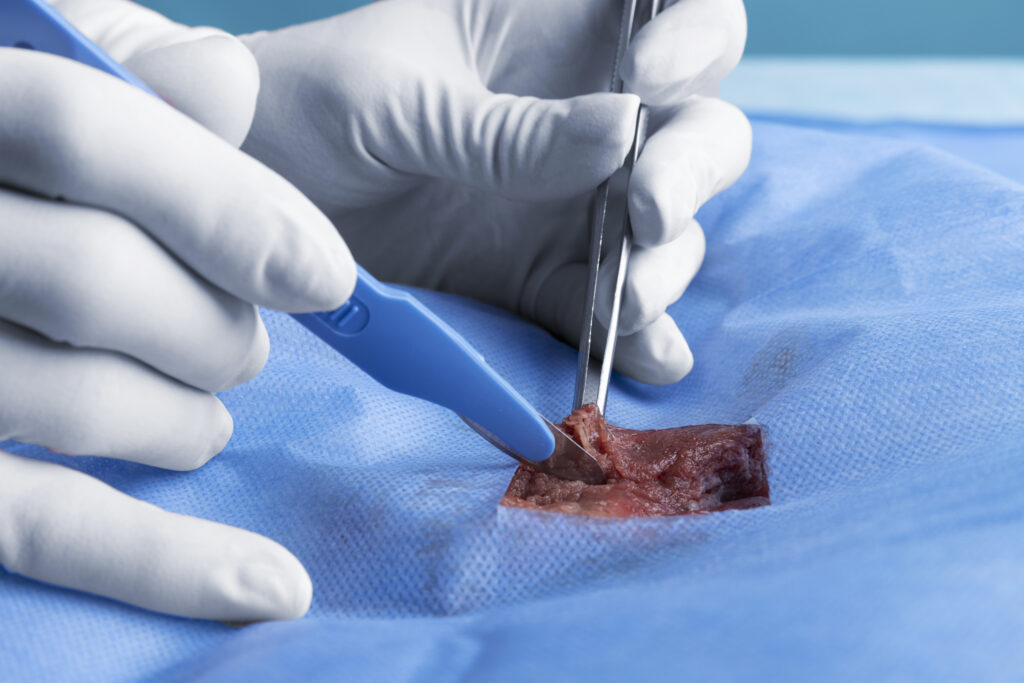
Skin Burn Injuries Surgery at Monal Hospital
Burn injuries can be life-altering, requiring expert care and advanced surgical interventions to restore functionality and improve quality of life. At Monal Hospital, our Skin Burn Injuries Surgery Unit is equipped to provide comprehensive care, from initial emergency treatment to reconstructive surgery and rehabilitation. Our team of highly skilled surgeons, burn care specialists, and therapists work together to deliver personalized care for every patient.
Types of Burn Injuries We Treat
At Monal Hospital, we handle a wide range of burn injuries, including:
- Thermal Burns: Injuries caused by heat from fire, hot liquids, or steam.
- Chemical Burns: Damage resulting from exposure to harmful chemicals or acids.
- Electrical Burns: Injuries caused by electric current, often affecting deeper tissues.
- Radiation Burns: Damage from prolonged exposure to radiation or UV rays.
- Friction Burns: Injuries caused by abrasive contact, such as road burns during accidents.
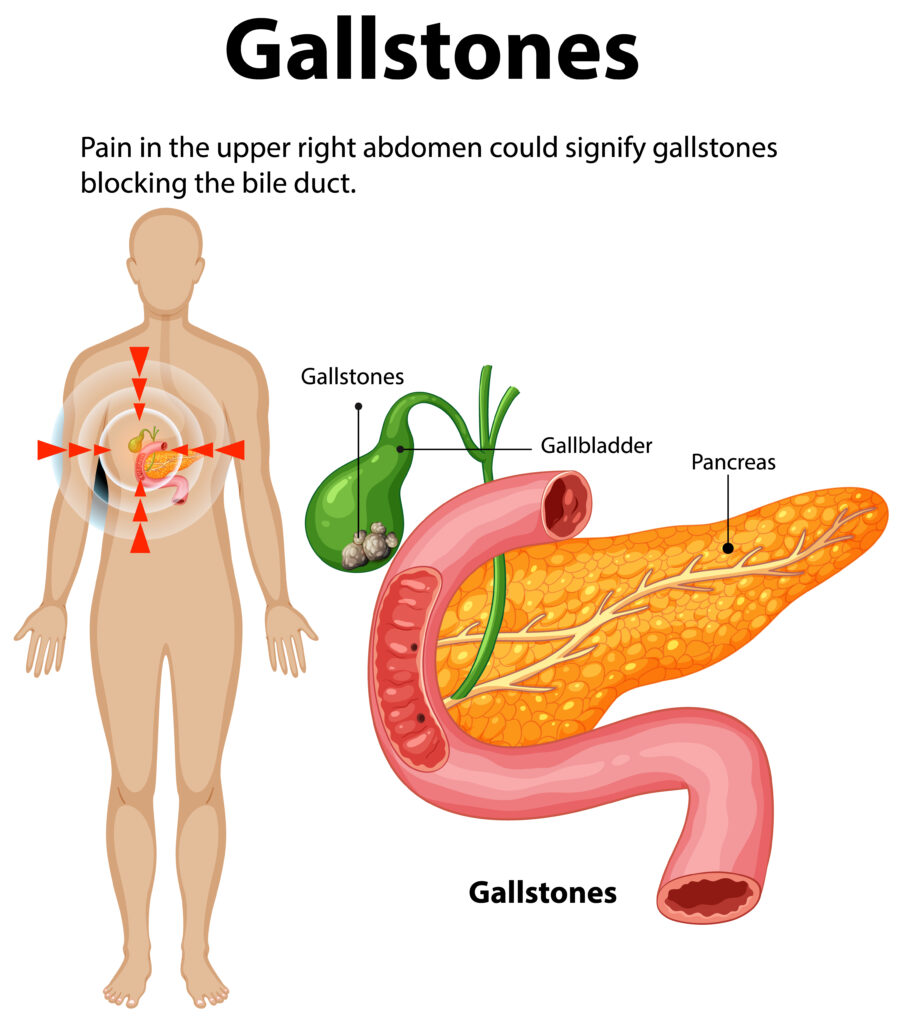
The gallbladder is a small, pear-shaped organ located under the liver in the upper right side of your abdomen. Its primary function is to store and concentrate bile, a digestive fluid produced by the liver that helps break down fats in the food you eat.
Your gallbladder plays a vital role in digestion, but issues such as gallstones, infections, or inflammation can cause discomfort and disrupt your quality of life. At Monal Hospital, we offer comprehensive and advanced treatment options for gallbladder-related conditions, including minimally invasive laparoscopic surgery.
Gallbladder problems are often caused by:
- Gallstones: Hardened deposits of bile that can block the bile ducts, leading to pain and inflammation.
- Infections: Bacterial or viral infections causing irritation and swelling.
- Inflammation (Cholecystitis): Caused by gallstones, bile buildup, or infection.
- Bile Duct Blockages: Obstructions in the bile ducts can disrupt bile flow.
- Other Risk Factors: Obesity, rapid weight loss, pregnancy, or certain medical conditions can increase the likelihood of gallbladder issues.
Recognizing the symptoms early can help you seek timely medical attention. Common symptoms include:
- Intense pain in the upper right abdomen, especially after eating fatty meals.
- Nausea or vomiting.
- Indigestion or bloating.
- Fever or chills (a sign of infection).
- Yellowing of the skin or eyes (jaundice) due to bile duct blockages.
If you experience any of these symptoms, it’s essential to consult a specialist promptly.
Laparoscopic Gallbladder Surgery: A Minimally Invasive Solution
At Monal Hospital, we specialize in laparoscopic gallbladder surgery (cholecystectomy), a modern and minimally invasive procedure to remove the gallbladder.
Benefits of Laparoscopic Gallbladder Surgery:
- Smaller incisions and minimal scarring.
- Shorter hospital stay and quicker recovery.
- Reduced pain and discomfort after surgery.
- Faster return to normal activities.
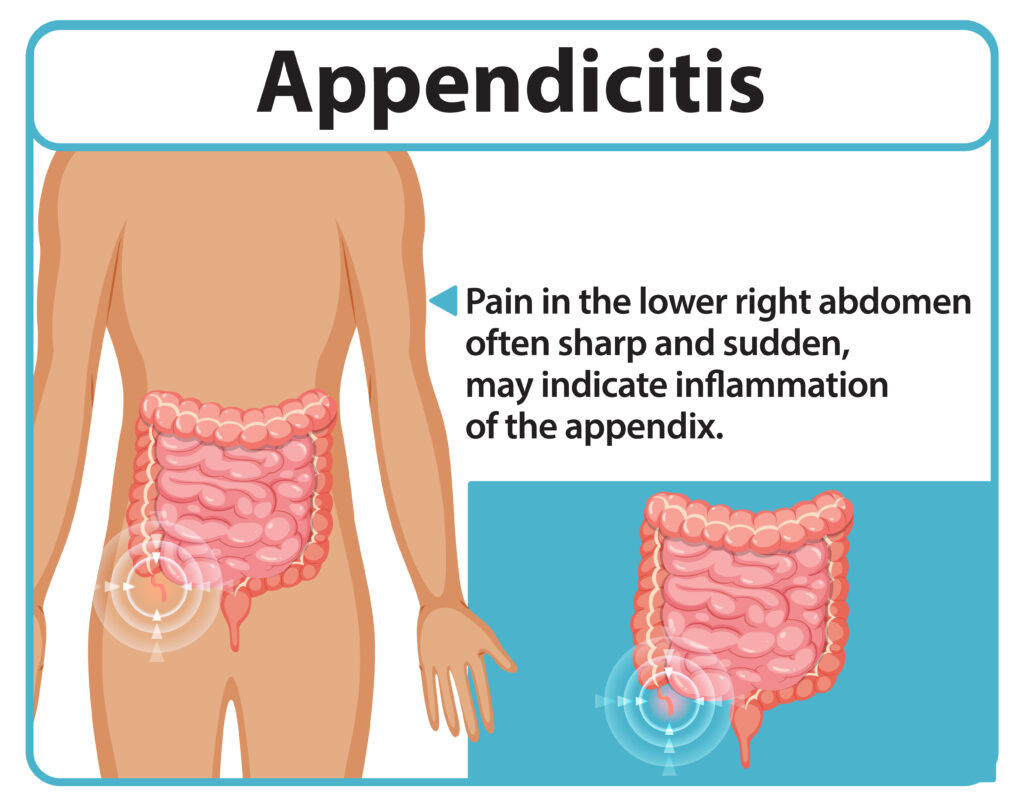
The appendix is a small, tube-like structure attached to the large intestine, located in the lower right abdomen. While its exact function is unclear, a diseased appendix can lead to a serious condition known as appendicitis, which often requires prompt surgical intervention.
Appendicitis occurs when the appendix becomes inflamed or infected, often due to:
- Blockage: A blockage in the opening of the appendix caused by hardened stool, foreign objects, or swollen lymph tissue.
- Infection: Bacterial or viral infections can trigger inflammation.
- Other Factors: Genetics, digestive tract issues, or trauma to the abdomen may also contribute.
The symptoms of appendicitis can escalate quickly and may include:
- Sharp Pain in the Lower Right Abdomen: Pain often begins around the belly button and moves to the lower right side.
- Nausea and Vomiting: These symptoms often accompany the pain.
- Fever: A sign of infection.
- Loss of Appetite: Often due to the discomfort caused by appendicitis.
- Swelling or Tenderness: The abdomen may feel swollen or tender to touch.
- Changes in Bowel Movements: Constipation or diarrhea can occur.
If you experience these symptoms, it’s crucial to seek immediate medical attention, as untreated appendicitis can lead to a ruptured appendix and life-threatening complications.
Laparoscopic Appendix Surgery: A Safe, Minimally Invasive Option
At Monal Hospital, we specialize in laparoscopic appendectomy, a minimally invasive procedure to remove the appendix. This modern technique offers faster recovery and less discomfort compared to traditional surgery.
What is Laparoscopic Appendectomy?
Laparoscopic appendectomy involves making small incisions in the abdomen, through which a tiny camera and surgical instruments are used to remove the appendix.
Benefits of Laparoscopic Surgery:
- Smaller Incisions: Minimal scarring and faster healing.
- Shorter Recovery Time: Patients can resume daily activities sooner.
- Reduced Pain: Less postoperative discomfort compared to open surgery.
- Lower Risk of Infection: The minimally invasive technique reduces the risk of complications.
When is Surgery Recommended?
Surgery is typically required in the following cases:
- Acute appendicitis with severe symptoms.
- Risk of appendix rupture.
- Recurrent or chronic appendicitis causing ongoing discomfort.